






Senate Republicans Examine Shapiro’s Unrealistic Spending Plan
Senate Republicans are closely examining Gov. Josh Shapiro’s 2025-26 budget plan to find improvements that will ensure greater long-term fiscal stability for the commonwealth.
The governor’s overly optimistic future revenue projections and wildly inaccurate future expenditure assumptions could eliminate the state’s emergency savings (also known as the Rainy Day Fund) and create the need for a multi-billion-dollar tax increase on Pennsylvania families within a year and a half.
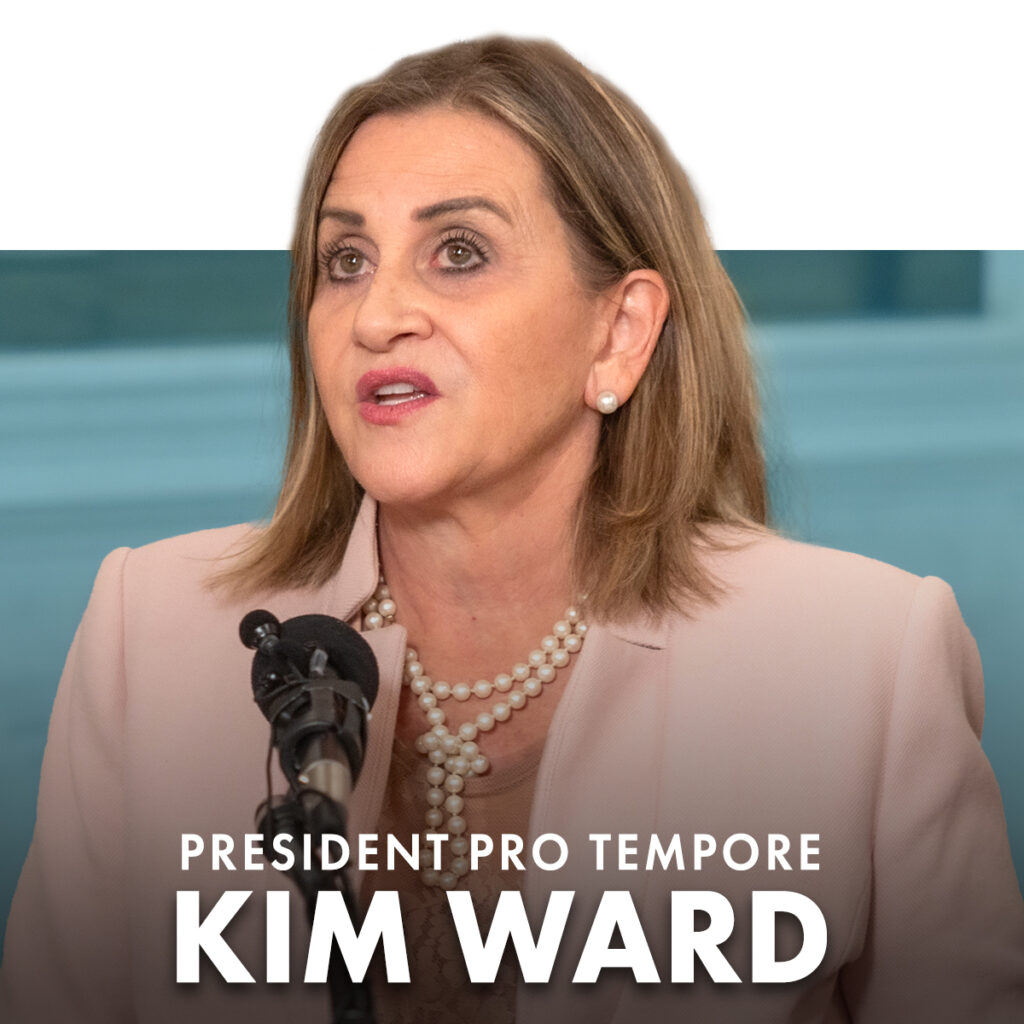
“Gov. Shapiro has a huge appetite for spending as evidenced in his first two budgets, and this budget is no exception. In the simplest of terms, Shapiro wants to spend billions more than we are taking in as a state – $51.5 billion is an 8% increase over last year. He is propping up his budget on funding streams that currently do not exist and moving existing money from one place to another while depleting our surplus and reserve funding.”
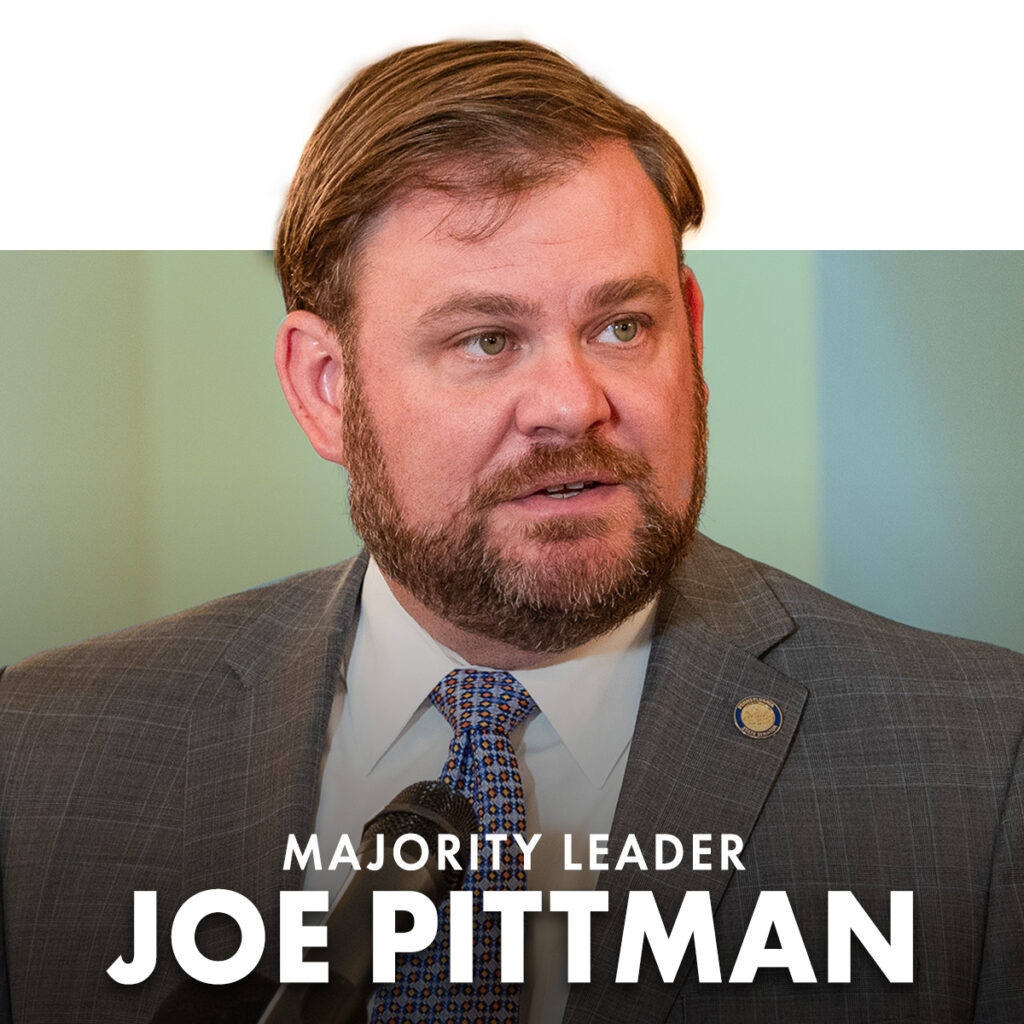
“Our Senate Republican Caucus is always very honest with Pennsylvanians about the fiscal realities we’re dealing with. We must respect taxpayers and acknowledge the reality that state government cannot spend more money than we’re bringing in on a recurring basis. Moving forward, we must address the structural deficit and focus on what we can do to grow our Commonwealth’s economy. Now it’s time for our full budget review process to take place, as we do our due diligence fighting for taxpayers.”
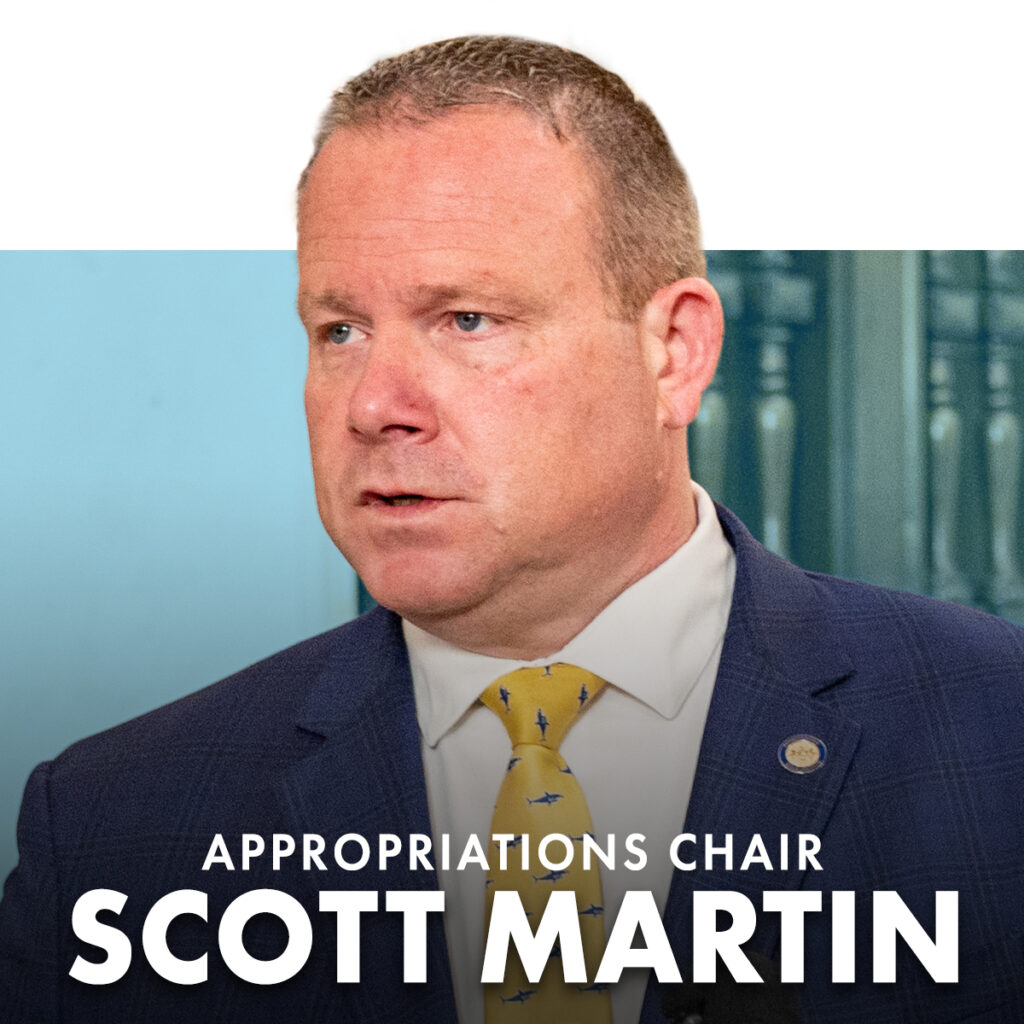
“Pennsylvania needs to get real about the financial challenges we face and how we can reverse our many years of economic and demographic decline,” said Martin. “Gov. Shapiro’s budget fails to face reality, spending more than the state can reasonably afford and including revenue and tax assumptions that are pure fiction. We can’t saddle taxpayers with a $27 billion burden over the next five years based on Gov. Shapiro’s bad math, so we must work to find a better way forward.”
Spending PA into the Red
The $51.5 billion budget plan Shapiro presented to the legislature would increase state spending by $3.6 billion, an increase of 7.5% over the current year’s budget.
During the next five years, using realistic spending and revenue estimates, Shapiro’s spending plans would leave a $27.3 billion hole in the state’s finances.
Education Spending
The bulk of the new spending – about $2 billion – is proposed for human services programs. The budget also proposes to increase funding for Basic Education Funding by $75 million and the Ready-to-Learn Block Grant Program by $526 million.
The plan also includes level funding of $25 million for the Grow PA program championed by Senate Republicans in last year’s budget to help more young people attend college and complete job training programs to meet the needs of Pennsylvania’s workforce.
For the third consecutive year, Shapiro failed to include funding for Lifeline Scholarships or the Pennsylvania Award for Student Success program to help children in failing schools explore different educational options in an environment that better suits their needs.
Affordable Energy
The governor’s budget plan also did not include any new revenues or expenditures related to his new “Lightning” energy plan, leaving Pennsylvanians in the dark about how it would impact their household budgets, grid reliability or the state’s finances.