


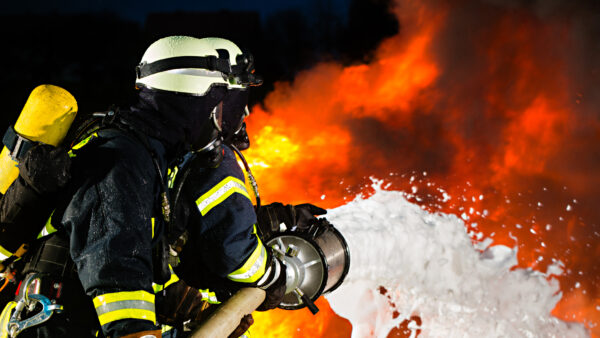
HARRISBURG – A proposal to limit the use of firefighting foam containing per- and polyfluoroalkyl substances (PFAS) is heading to Gov. Josh Shapiro’s desk for his signature, according to sponsors Sen. Gene Yaw (R-23) and Sen. Nick Miller (D-14). The language was included in Senate Bill 804, legislation to phase out harmful chemicals in intravenous (IV) bags and other medical devices.
Yaw and Miller’s proposal will restrict the manufacture, sale, distribution and use of firefighting foam containing PFAS beginning in July 2027. According to the Environmental Protection Agency, PFAS are man-made chemicals used since the 1940s that can accumulate in the environment and the human body over time, with studies linking exposure to adverse health effects.
“Compared to other emergency responders, firefighters can face significantly higher levels of PFAS exposure, putting them on the front lines of this national public health challenge,” Yaw said. “This bill is a commonsense response that has already been adopted by many states. It will undoubtedly protect firefighters moving forward, while also safeguarding our ground and surface water from contamination.”
“This bipartisan legislation will protect our first responders and drinking water by phasing out dangerous PFAS while providing fire companies with financial assistance to transition to safer alternatives and properly dispose of existing foam,” said Miller. “We have a responsibility to protect those who protect us.”
The lawmakers said the language reflects years of collaboration with fire service leaders, emergency responders and industry representatives since its introduction in 2019. It will allow fire companies to use Fire Company and Emergency Medical Services Grant funding to cover the cost of properly disposing of PFAS-containing foam. The state fire commissioner, working with the Pennsylvania Department of Environmental Protection, will oversee safe and environmentally responsible disposal.
The language includes an exemption for facilities where PFAS-based foam remains necessary for safety, such as airports, chemical plants, oil refineries and sites handling flammable liquids or natural gas.
CONTACT: Elizabeth Weitzel (Yaw)
717-787-3280
CONTACT: Gail Vivar (Miller)
717-787-7105